Solar Basics & Sizing
Translate 12 months of electricity bills into an accurate DC kilowatt-peak solar array size using local Peak Sun Hours and specific yield. Includes worked US, UK, and EU sizing examples plus a pre-quote audit checklist.
Solar Basics & Sizing
Learn why rooftop solar arrays deliver less than their laboratory STC wattage due to cell temperature, soiling, wiring, and inverter losses. Compare real-world Performance Ratios across US, UK, and EU climates.
Solar Basics & Sizing
Discover why oversizing solar panels relative to inverter AC capacity (ILR 1.15–1.35) boosts morning and winter generation with minimal clipping loss. Includes worked US, UK, and EU grid-limit examples.
Solar Basics & Sizing
Understand how roof tilt (degrees vs. US rise/run) and compass azimuth shape annual solar kWh across latitudes. Includes worked US, UK, and EU examples showing when east-west arrays outperform south-only assumptions.
Solar Basics & Sizing
Compare standard monofacial monocrystalline panels against dual-glass bifacial modules on residential roofs. Learn how surface albedo, rail clearance, and roof weight determine whether bifacial gain pays off in US, UK, and EU homes.
Home Battery & Backup
Sizing a residential battery bank starts with separating your essential outage circuits from discretionary loads rather than matching your entire monthly utility bill. Use this load-budgeting framework to compare usable kilowatt-hours, inverter surge limits, and solar recharge windows across US, UK, and EU electrical systems.
Home Battery & Backup
Choosing between Lithium Iron Phosphate (LFP) and Nickel Manganese Cobalt (NMC) chemistry determines how many years your home battery lasts, how deeply you can discharge it daily, and how it behaves under thermal stress. Compare cycle life, voltage curve calibration, cold-weather charging limits, and real-world cost per warranted kilowatt-hour.
Home Battery & Backup
How your solar panels connect to your home battery—through an AC-coupled retrofit or a DC-coupled hybrid inverter—determines conversion efficiency, clipping recovery, and black-start behavior during outages. Compare wiring architectures, upgrade costs, and worked energy losses across US, UK, and EU solar installations.
Home Battery & Backup
Every kilowatt-hour stored in a residential battery pays an energy tax during charging, idle standby, and inverting back to AC. Learn why datasheet 95% DC efficiency shrinks to 80%–88% in real homes, and how idle inverter draw impacts US, UK, and EU electricity bills.
Home Battery & Backup
Charging a home battery on cheap off-peak electricity and discharging during expensive peak hours only saves money if the tariff spread exceeds conversion losses and battery degradation. Use this break-even formula and worked US, UK, and EU examples to test whether Time-of-Use arbitrage pays off on your utility plan.
Electricity Bills & Tariffs
Learn how to separate fixed standing charges from volumetric kWh rates, decode estimated meter reads, and calculate your true effective electricity cost. Includes worked US, UK, and EU sample bill breakdowns and an audit checklist.
Electricity Bills & Tariffs
Explore how Time-of-Use electricity tariffs price peak, shoulder, and off-peak hours across US, UK, and European markets. Use worked examples and our break-even shift formula to see when load shifting lowers bills and when flat rates win.
Electricity Bills & Tariffs
Understand how inclining block electricity tariffs price your highest-usage kWh and why marginal rates matter more than bill averages. Includes US, UK, and EU worked examples and practical tips to stay below costly tier thresholds.
Electricity Bills & Tariffs
See why UK daily standing charges dilute percentage bill savings on low-usage homes, how dual-fuel fixed fees affect electrification, and how to calculate the crossover point for zero-standing-charge tariffs.
Electricity Bills & Tariffs
Learn how residential demand charges and European capacity tariffs bill your highest 15-minute kW spike rather than total kWh. Includes US, UK, and EU worked examples, an appliance wattage table, and peak-shaving strategies.
Appliances & Phantom Load
Compare how space conditioning, water heating, clothes drying, and always-on appliances drive electricity bills across US 120V/240V, UK 230V, and EU 230V homes. Includes worked kWh walkthroughs, regional cost tables, and a safe home load-audit checklist.
Appliances & Phantom Load
Learn how compressor duty cycles, ambient room temperatures, worn door gaskets, and dusty condenser coils drive refrigerator electricity costs across US, UK, and EU homes. Includes worked kWh calculations and safe maintenance steps.
Appliances & Phantom Load
Compare vented, condenser, and heat pump clothes dryers across electricity use, drying times, and lifecycle costs in US, UK, and EU homes. Includes worked kWh calculations, spin-speed tips, and lint fire-safety guidance.
Appliances & Phantom Load
Compare induction, radiant/coil electric, and natural gas cooktops on thermal efficiency, boil speed, and operating cost across US, UK, and EU kitchens. Includes worked boil/simmer math and cookware safety tips.
Appliances & Phantom Load
See when an air fryer beats a full-size electric oven on cost per meal, preheat losses, and cooking time across US 120V/240V, UK 230V, and EU 230V kitchens. Includes meal-by-meal math, batch-cooking break-even points, and outlet safety.
Heat Pumps & HVAC
Air-source heat pumps move existing thermal energy rather than burning fuel, allowing them to deliver multiple units of heat for every unit of electricity consumed. This guide breaks down the refrigeration cycle alongside COP, SCOP, and HSPF2 ratings with worked US, UK, and EU cost examples.
Heat Pumps & HVAC
Comparing a heat pump against a natural gas furnace or boiler depends less on equipment efficiency labels than on the local ratio between electricity and gas prices. Learn how to calculate the spark-gap ratio and find your exact economic break-even COP across US, UK, and EU utility markets.
Heat Pumps & HVAC
Installing an oversized air conditioner or heat pump wastes energy through rapid short-cycling, poor humidity control, and premature compressor wear. Discover how Manual J and EN 12831 load calculations replace outdated square-footage rules of thumb across US, UK, and EU homes.
Heat Pumps & HVAC
The shift from SEER to SEER2 introduced tougher duct-pressure testing that reveals real-world air conditioner efficiency. Explore how to translate old and new cooling ratings, calculate honest payback timelines across US, UK, and EU climates, and avoid ductwork bottlenecks that erase efficiency gains.
Heat Pumps & HVAC
Ductless mini-split heat pumps eliminate duct losses and offer room-by-room zoning, yet poorly designed multi-zone layouts frequently suffer from short-cycling and uneven comfort. Learn how to balance indoor head capacities, avoid the minimum-modulation trap, and place units for optimal airflow.
Smart Thermostats & Controls
Nighttime thermostat setbacks cut heating bills by shrinking the indoor-to-outdoor temperature gap during sleeping hours, though actual savings depend on building thermal mass and system type. Explore worked US, UK, and EU cost calculations alongside practical scheduling rules to avoid morning recovery penalties and dampness.
Smart Thermostats & Controls
Deep overnight thermostat setbacks on an air-source heat pump can trigger electric resistance backup strips during morning recovery, erasing overnight savings and spiking winter utility bills. Learn the staging math behind auxiliary heat lockouts and how to configure US, UK, and EU heat pump controls.
Smart Thermostats & Controls
Geofencing tracks smartphone GPS perimeters to cut HVAC waste when everyone leaves, whereas room occupancy sensors fix uneven temperatures and hallway thermostat bias while you are home. Compare how each technology performs in US, UK, and EU households with worked cooling and heating examples.
Smart Thermostats & Controls
Smart thermostatic radiator valves bring true room-by-room zoning to hydronic radiators across UK, EU, and older US homes without replumbing pipework. Discover how boiler-linked TRVs cut wasted heat in unused rooms, why bypass valves prevent short-cycling, and what worked savings look like.
Smart Thermostats & Controls
Weather compensation automatically lowers radiator or underfloor flow temperatures during mild weather, keeping gas condensing boilers in their latent-heat sweet spot and boosting heat pump COP. Learn how slope and parallel shift work, with worked UK, EU, and US efficiency walkthroughs.
Insulation & Air Sealing
Understand how North American R-values and UK/European U-values measure roof heat transfer, and learn how to convert between imperial and metric assemblies accurately. Includes worked heat-loss calculations in dollars, pounds, and euros alongside essential ventilation and fire-safety checks.
Insulation & Air Sealing
Learn why convective air leakage bypasses fluffy fiberglass insulation through the stack effect and wind washing, and why sealing gaps first delivers superior comfort and efficiency. Includes US, UK, and EU worked calculations, bypass checklists, and ventilation safety rules.
Insulation & Air Sealing
Decode your home's ACH50, CFM50, and UK q50 air-permeability scores to understand how leaky your envelope really is and when mechanical ventilation becomes essential. Features worked US, UK, and EU calculations, diagnostic benchmarks, and combustion-safety precautions.
Insulation & Air Sealing
Learn how to air-seal and insulate leaky basement rim joists and band boards using cut-and-cobble rigid foam, mineral wool, or spray foam without violating fire-barrier codes. Includes US, UK, and EU worked calculations, moisture rules, and a step-by-step installation checklist.
Insulation & Air Sealing
Compare cavity wall injection, external wall insulation (EWI), and internal wall insulation (IWI) for pre- and post-1930s masonry homes across the UK and Europe, with US masonry parallels. Includes worked U-value heat-loss math, cost benchmarks, and critical damp and vapor-control safeguards.
Windows, Doors & Drafts
Compare double and triple glazing across U-values, indoor surface temperatures, acoustic damping, and multi-decade payback in US, UK, and EU homes. Learn when the third pane pays back through comfort and heating load reductions—and when high-spec double glazing is the smarter investment.
Windows, Doors & Drafts
Learn how Solar Heat Gain Coefficient (SHGC) controls both winter passive solar warmth and summer cooling bills across US, UK, and EU homes. Use orientation-based glass selection and worked energy walkthroughs to avoid overheating or over-shading your home.
Windows, Doors & Drafts
Compare full-frame window replacement against modern low-E interior storm windows across installation cost, thermal performance, noise reduction, and payback in US, UK, and EU homes. Discover why precision storm inserts often beat replacement on ROI—and when full replacement is unavoidable.
Windows, Doors & Drafts
Understand how cellular shades, side-channel blinds, and heavy thermal curtains trap still air to curb nighttime window heat loss in US, UK, and EU homes. Compare R-value gains, condensation risks, and realistic winter payback.
Windows, Doors & Drafts
Stop cold drafts, daylight gaps, and wasted HVAC runtime with the right exterior door weatherstripping profile. Compare compression kerf seals, spring-bronze V-seals, and heavy-duty door sweeps with worked US, UK, and EU air-leakage payback math.
Water Heating Efficiency
Heat pump water heaters use two-thirds less electricity than standard electric tanks, but their real-world efficiency depends on Uniform Energy Factor (UEF), surrounding air volume, and ambient temperature. This guide breaks down sizing, acoustic placement, and worked US, UK, and EU payback calculations.
Water Heating Efficiency
Sizing an on-demand water heater depends on simultaneous fixture flow rate and winter incoming groundwater temperature rather than tank gallons. Learn the exact Delta-T formulas for electric kW and gas BTU/h sizing across US, UK, and EU electrical grids.
Water Heating Efficiency
Most condensing combi boilers leave the factory set to 75°C or 80°C for central heating, preventing them from condensing and wasting 6% to 10% of your annual gas bill. Discover how lowering space-heating flow to 55–60°C unlocks condensing efficiency without compromising hot water hygiene.
Water Heating Efficiency
Turning a storage water heater down to 50°C saves minimal energy while creating ideal conditions for Legionella bacteria, whereas delivering 60°C water straight to taps causes severe scalds in seconds. Here is how thermostatic mixing valves solve both hazards and how much 60°C storage actually costs.
Water Heating Efficiency
Water-saving fixtures reduce both your metered water bill and the thermal energy needed to heat every liter, often paying for themselves in weeks. This guide quantifies real kWh and currency savings across US, UK, and EU households while flagging pressure and combi-boiler compatibility traps.
EV Charging at Home
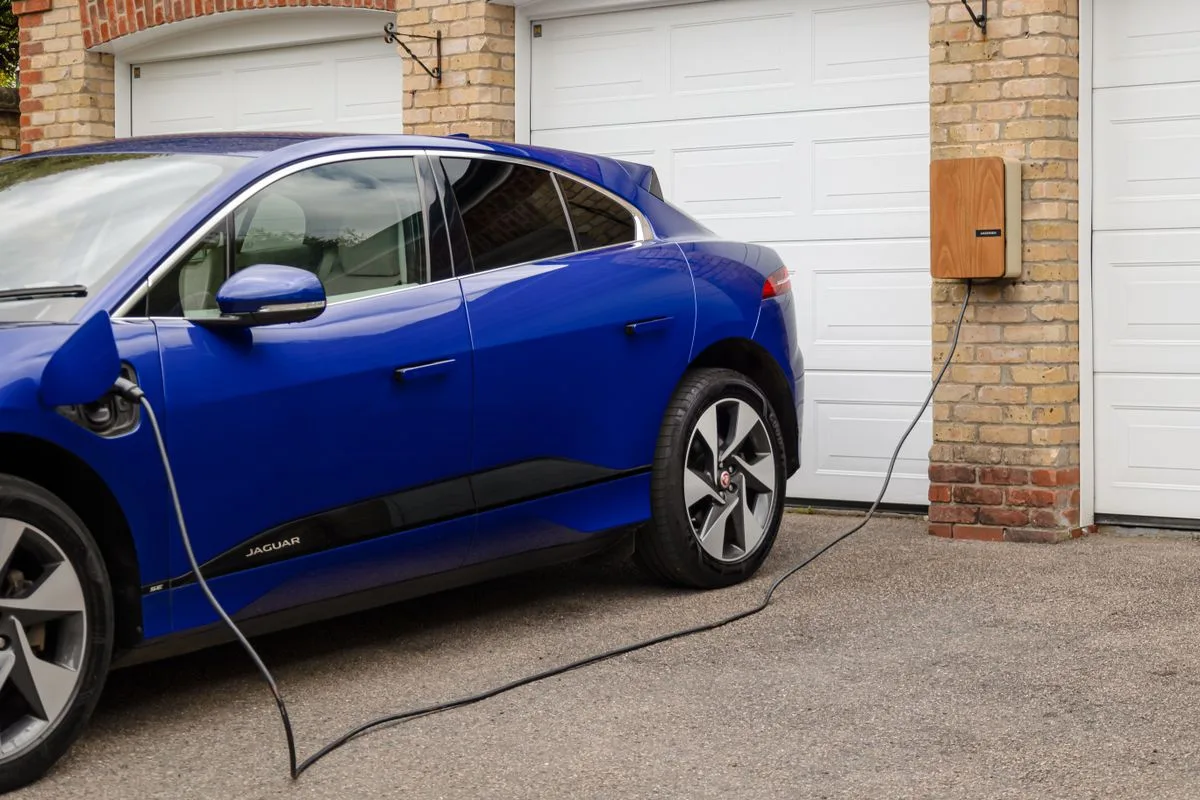
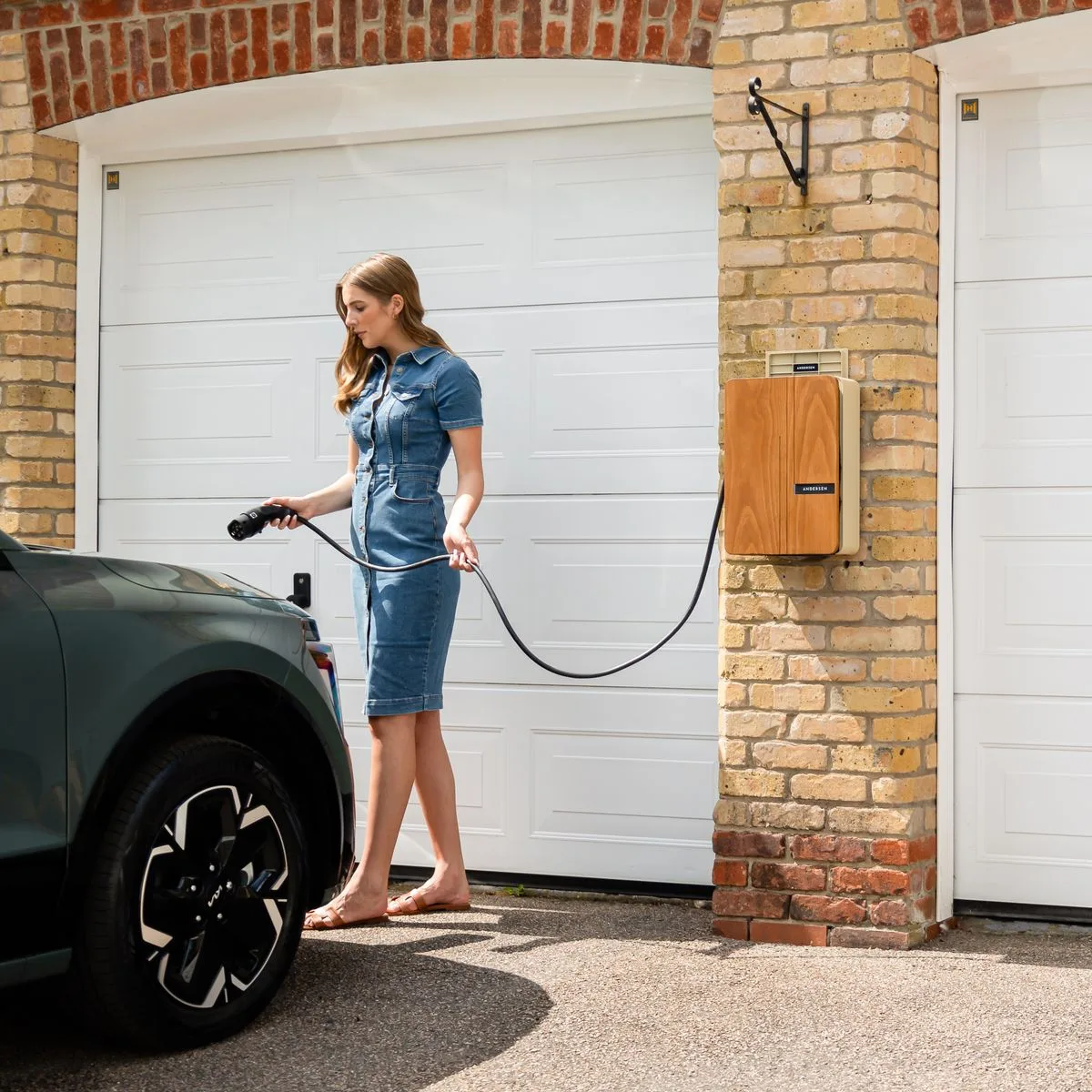
Compare Level 1 and Level 2 home EV charging speeds, overnight range recovery, and electricity costs across US, UK, and EU residential voltages. Learn when a standard outlet suffices and when upgrading to a dedicated circuit pays off.
EV Charging at Home
Calculate true monthly fuel costs for electric vehicles versus gasoline and petrol cars across US, UK, and EU energy prices. Includes step-by-step cost-per-mile and cost-per-kilometer math accounting for charging losses.
EV Charging at Home
Learn how time-of-use and dynamic EV electricity tariffs can slash home charging bills by 50% to 75% across US, UK, and EU utilities. Includes worked tariff math, smart scheduling tips, and whole-home rate traps to avoid.
EV Charging at Home
Understand why EV chargers require circuit breakers sized at 125% of continuous current—the 80% rule—across US NEC, UK BS 7671, and EU IEC standards. Includes breaker-to-EVSE lookup tables and voltage drop considerations.
EV Charging at Home
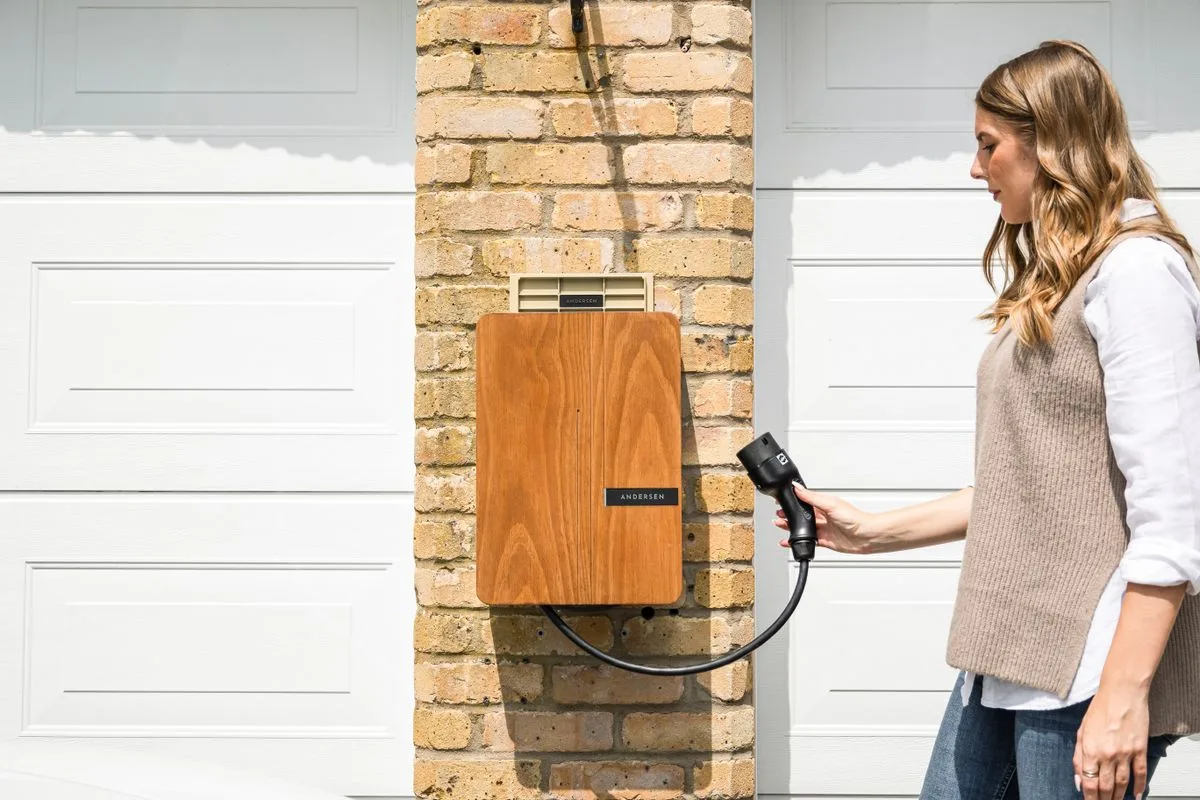
Discover how solar-diverting smart wallboxes channel surplus rooftop PV generation directly into your EV battery across US, UK, and EU grids. Covers minimum 6A charging thresholds, CT clamp wiring, and export-rate economics.
LED & Smart Lighting
Compare annual kWh consumption, heat loss, and simple payback timelines when upgrading incandescent and halogen bulbs to modern LEDs. Includes worked cost walkthroughs for US 120V, UK 230V, and EU 230V residential tariffs.
LED & Smart Lighting
Learn how Kelvin color temperature (2700K vs. 4000K) and Color Rendering Index (CRI 80 vs. 90+) shape room comfort and electricity use. Includes US, UK, and EU cost walkthroughs comparing fixed high-CRI LEDs, dimmers, and smart bulbs.
LED & Smart Lighting
Discover why two 800-lumen LEDs can draw 10W versus 4W and how to evaluate lumens per watt (lm/W) efficacy. Includes US, UK, and EU payback walkthroughs showing when ultra-efficient Class-A LEDs justify their higher price.
LED & Smart Lighting
Calculate exact room lumen budgets using target lux (and foot-candles), floor area, and room loss factors instead of outdated wattage guesses. Includes US, UK, and EU walkthroughs for living rooms, kitchens, offices, and porches.
LED & Smart Lighting
Understand why legacy leading-edge TRIAC dimmers cause LED flicker and buzzing, how trailing-edge (ELV) dimmers solve it, and how much electricity evening dimming actually saves across US, UK, and EU tariffs.
US, UK & EU Regional Guides
A structured 48-hour DIY home energy audit helps you pinpoint air leaks, insulation gaps, HVAC inefficiencies, and phantom electrical loads without specialized lab gear. Follow this room-by-room weekend protocol with US, UK, and EU cost benchmarks and worked payback math.
US, UK & EU Regional Guides
Energy Use Intensity (EUI) divides total annual home energy consumption by conditioned floor area so you can compare efficiency fairly across climates and house sizes. Learn how to convert US therms, UK kWh, and EU gas cubic meters into kWh/m² and kWh/sq ft with worked examples.
US, UK & EU Regional Guides
Comparing winter heating bills year over year without adjusting for outdoor temperature leads to false conclusions about your insulation or boiler. Learn how Heating Degree Days (HDD) work across US 65°F, UK 15.5°C, and EU baselines, with worked weather-normalization math.
US, UK & EU Regional Guides
Summer electric bills surge for two very different reasons: hotter outdoor weather and slipping air-conditioning efficiency. Learn how to use Cooling Degree Days (CDD) across US, UK, and EU baselines to isolate AC performance, account for humidity, and catch compressor or coil issues early.
US, UK & EU Regional Guides
A UK Energy Performance Certificate (EPC) scores a home from Band A to Band G based on modeled energy cost per square meter rather than raw kilowatt-hours alone. Learn how SAP points work, how UK EPCs compare with EU and US ratings, and how to plan a practical upgrade path.